
 Tiếng Việt
  English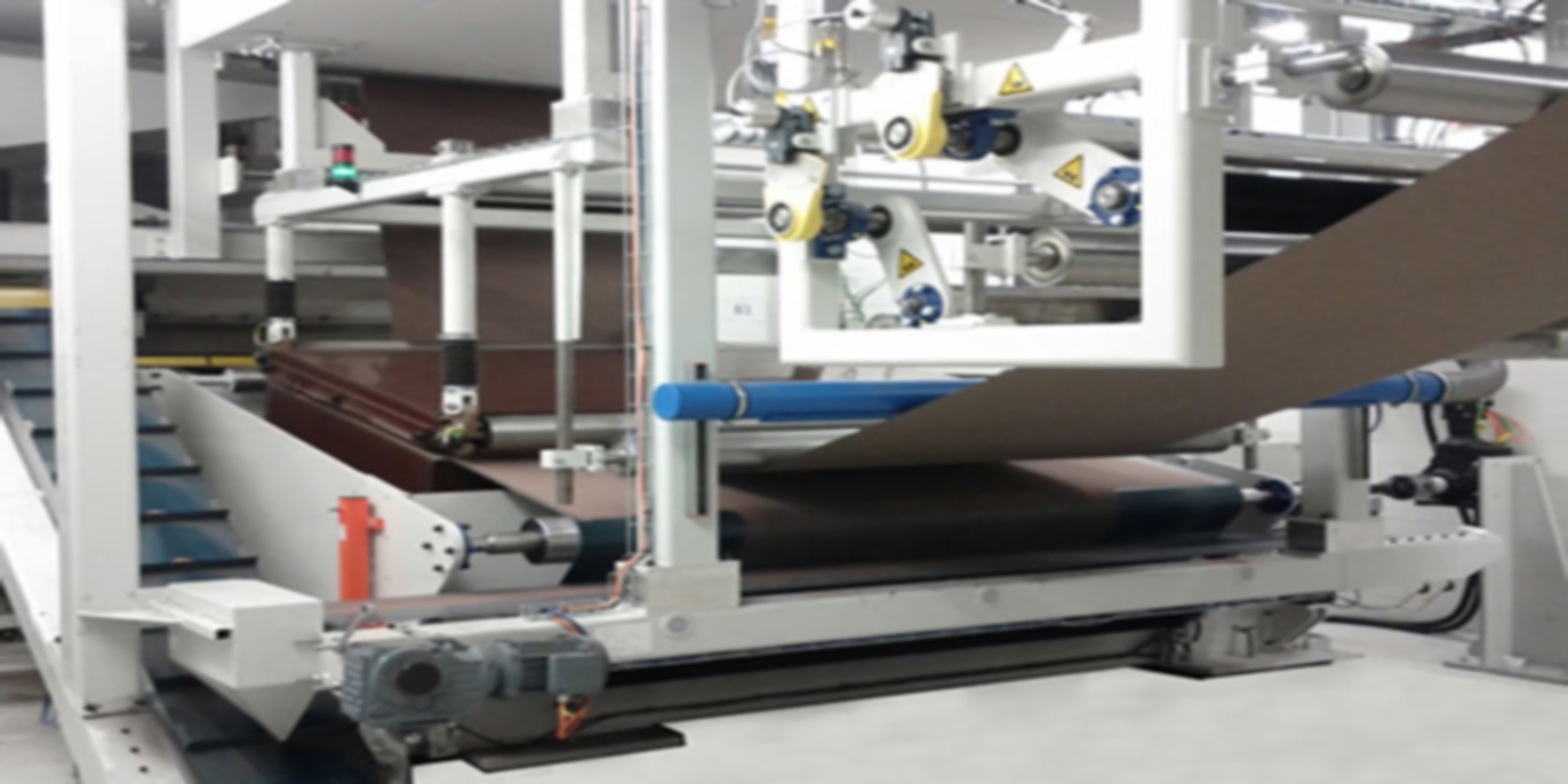
Điều này đạt được bằng cách đặt tấm nhám dưới sức căng và kéo nó qua một thanh thép hoặc sử dụng các tác động cơ học khác.
Khoảng cách và hướng của các vết gãy phải được kiểm soát nếu sản phẩm đáp ứng được các yêu cầu dự kiến, như:
- Thích hợp với các đường bao của phôi;
- Kiểm soát hình dạng sản phẩm đang sử dụng;
- Kiểm soát việc rơi hạt nhám để cải thiện hiệu suất.
Có 3 cách Uốn mềm (Flexing) cơ bản:
1. Uốn 90 - Các đường uốn hoặc vết gãy vuông góc với cạnh của đai nhám hoặc vật liệu. Chỉ mang lại độ mềm dẻo theo chiều dọc.
2. Uốn 45 - Flex lines are at a 45° (2-45° angle flexes) to the edge of the belt or material. Provides length-wise and crosswise flexibility.
3. Uốn dọc (G or T) imparts a uniform all-directional flex in the lengthwise direction.
All paper commodities – 45 flex
All cloth commodities – 90 Flex
On many operations where dulling and glazing of the abrasive occurs, increasing the amount of flex will often improve performance.
On most platen operations. better results are obtained by using more flex than normal especially on grit sizes 100 grit and coarser
Open coat products are inherently more flexible than comparable close coat products.
All flexes are not appropriate for all abrasive commodities and applications. Consult the Product Selection Guide for flexes that are available for the various products.
